
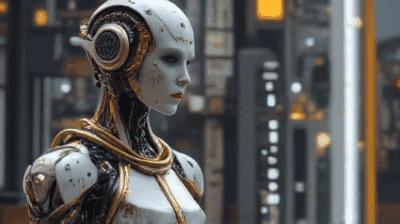
The concept of humanoid robots has fascinated humanity for generations, inspiring countless works of science fiction. From the mechanical servants of the early 20th century literature to the sophisticated androids depicted in modern films, these creations have captured our imagination with their potential to mimic human behavior and appearance. As technology advances, the question arises: how close are we to developing realistic androids that resemble humans not just in form but also in function and behavior?
The Evolution of Humanoid Robots
To understand the current landscape of humanoid robotics, it is essential to trace the historical development of these machines. The journey began long before the advent of modern computing and robotics.
Early Concepts of Robots
The term "robot" originated from Karel Čapek's 1920 play "R.U.R." (Rossum's Universal Robots), where artificial beings were created to serve humans. These early conceptualizations focused on the idea of created beings, often exploring themes of autonomy and morality.
The First Humanoid Robots
In the latter half of the 20th century, researchers began building physical robots inspired by human form and function. One of the first notable examples was Wabot-1, developed in Japan in 1972. It could perform simple tasks such as playing the keyboard and carrying objects, providing a glimpse into the future of humanoid robotics.
As technology advanced, other robots such as ASIMO by Honda and HRP-2 by AIST showcased increasing levels of mobility and functionality. These machines laid the groundwork for more sophisticated androids capable of interacting with their environment.
Current Technologies in Humanoid Robotics
Advancements in several key areas have driven the development of humanoid robots. These include mechanical design, sensor technology, artificial intelligence, and control systems.
Mechanical Design
The design of humanoid robots focuses on achieving human-like form factors and movement capabilities. Researchers experiment with various materials, actuators, and joint designs to replicate human motion. Key considerations include:
Biomimicry: Many designs mimic human anatomy to facilitate natural movement. For example, robotic hands are often modeled after human fingers to enhance dexterity.
Actuators: Modern humanoid robots use various actuators to create movement, including electric motors, pneumatic actuators, and hydraulic systems. These components enable robots to perform complex actions like walking, grasping, and manipulating objects.
Balance and Stability: Maintaining balance is critical for humanoid robots, especially during locomotion. Researchers utilize advanced algorithms and sensors to ensure robots remain upright while walking or navigating uneven terrain.
Sensor Technology
To navigate and interact with their environments effectively, humanoid robots employ various sensors that provide feedback about their surroundings. These include:
Vision Systems: Cameras and computer vision algorithms allow robots to perceive and interpret their environment, similar to human sight. Image recognition plays a crucial role in identifying objects and navigating spaces.
Lidar and Infrared Sensors: These sensors enable robots to measure distances to surrounding objects, creating a spatial map for navigation and obstacle avoidance.
Tactile Sensors: By integrating pressure sensors into robotic hands, researchers grant robots the ability to feel and manipulate objects with sensitivity similar to human touch.
Artificial Intelligence in Humanoid Robots
Artificial intelligence (AI) is a cornerstone of modern humanoid robotics. AI enables robots to learn from their experiences, adapt to new situations, and interact naturally with humans.
Machine Learning and Deep Learning
Machine learning algorithms allow humanoid robots to process vast amounts of data and extract patterns. Deep learning, a subset of machine learning, is particularly effective in recognizing images and natural language.
Natural Language Processing: Recent advancements in natural language processing (NLP) enable robots to understand and respond to human speech. This capability enhances human-robot interaction, making conversations more fluid and contextual.
Reinforcement Learning: By employing reinforcement learning techniques, robots can learn optimal strategies for performing tasks through trial and error. This method is particularly useful for training robots in dynamic and unpredictable environments.
Autonomous Decision-Making
To function effectively in real-world scenarios, humanoid robots need the ability to make autonomous decisions based on sensory input and predefined goals. This involves:
Perception and Situation Awareness: Robots must interpret data from their sensors to understand their environment and context. This situational awareness allows them to respond appropriately to changes.
Planning Algorithms: Humanoid robots use algorithms to plan their actions based on the current state of their environment. This involves predicting future states and assessing the consequences of different actions.
Notable Examples of Humanoid Robots
Several humanoid robots have garnered public attention due to their advanced capabilities and lifelike appearances. These examples highlight the progress made in the field.
Sophia by Hanson Robotics
Sophia, developed by Hanson Robotics, is one of the most recognized humanoid robots in the world. Launched in 2016, Sophia was designed to engage in conversations and exhibit human-like expressions. Notable features include:
Facial Recognition: Sophia can recognize faces and respond to different individuals, allowing for tailored interactions.
Conversational Abilities: Through natural language processing, Sophia can engage in conversations on various topics, providing responses that appear intelligent and contextual.
Emotional Expressions: Sophia’s design incorporates the ability to display various facial expressions, allowing her to simulate emotions and enhance social interactions.
ASIMO by Honda
ASIMO, created by Honda, is a pioneering humanoid robot known for its advanced mobility and functionality:
Walking and Running: ASIMO is capable of walking, running, and climbing stairs, showcasing impressive stability and movement.
Object Manipulation: ASIMO can perform tasks such as serving drinks, holding objects, and even recognizing gestures to respond appropriately.
Human Interaction: ASIMO has been programmed to interact with humans, responding to simple commands and engaging through gestures.
Atlas by Boston Dynamics
Atlas is a humanoid robot developed by Boston Dynamics, showcasing some of the most advanced capabilities in terms of mobility and agility:
Dynamic Movements: Atlas can walk, jump, and perform complex movements, demonstrating remarkable balance and agility.
Obstacle Navigation: The robot can navigate challenging terrain and avoid obstacles, making it suitable for real-world applications.
Complex Tasks: Atlas has been programmed to perform tasks such as lifting and carrying objects, showcasing its potential in logistics and industrial applications.
Challenges in Creating Realistic Androids
Despite significant advances, several challenges remain in the pursuit of realistic humanoid robots:
Human-Like Movement
Replicating the fluidity and adaptability of human movement is a significant challenge. Human locomotion involves complex biomechanics, and creating robots that can mimic this effectively requires sophisticated engineering and control strategies.
Emotional Intelligence
Developing robots that can understand and respond to human emotions is a complex task. While advances in AI have enabled robots to interpret facial expressions and tone of voice, genuine emotional intelligence remains elusive.
Ethical Considerations
As humanoid robots become more capable, ethical concerns arise:
Social Acceptance: The integration of humanoid robots into daily life requires addressing societal perceptions and acceptance. Discussions around the roles of robots and potential job displacement are essential.
Autonomy and Control: As robots gain more autonomy, questions regarding decision-making, accountability, and rights arise. Establishing clear guidelines for their use is crucial.
Privacy and Surveillance: The use of robots equipped with cameras and sensors raises privacy concerns. Ensuring data protection and responsible use of technology must be prioritized.
The Future of Humanoid Robots
The future of humanoid robots holds tremendous potential, with advancements promising to revolutionize various sectors:
Healthcare
Humanoid robots could assist in healthcare settings, providing support to patients and helping medical professionals with tasks such as monitoring vital signs and administering medication.
Personal Assistants
As technology progresses, humanoid robots could become personal assistants, capable of performing household tasks, providing companionship, and aiding with daily activities.
Education
In educational environments, humanoid robots could serve as teaching assistants, adapting lessons to individual student needs and engaging learners through interactive experiences.
Conclusion
The journey toward creating realistic humanoid robots continues to evolve, driven by advancements in engineering, artificial intelligence, and robotics. While significant challenges remain in replicating human-like capabilities, the progress made thus far is promising.
As we contemplate the future of humanoid robots, it is essential to approach the integration of these technologies with consideration for ethical implications and societal impact. By fostering collaboration between researchers, policymakers, and the public, we can navigate the exciting landscape of humanoid robotics and unlock their potential to enhance our lives.
Popular Posts

Terrace Farming: How Ancient Methods Prevent Soil Erosion
As the global population continues to grow and the demand for food increases, the challenges facing modern agriculture have become more pronounced. One of the most significant issues is soil erosion, which can lead to reduced agricultural productivity, loss of arable land, and adverse environmental impacts.
Flexible Electronics: The Future of Bendable Phones and Wearable Tech
In our fast-paced world, technology is evolving at lightning speed, with innovations reshaping the way we interact with devices. One of the most exciting frontiers in this realm is flexible electronics, a field that promises to revolutionize the design and functionality of consumer gadgets. From bendable smartphones to wearable technology, flexible electronics are set to transform our daily lives in ways we have only begun to imagine.

Exoplanet Atmospheres: How JWST Is Detecting Signs of Alien Life Beyond Our Solar System
The quest for extraterrestrial life has captivated humanity for millennia. As we evolve in our understanding of the cosmos, we increasingly focus on the search for life beyond our own planet. A major advancement in this pursuit is the recent launch of the James Webb Space Telescope (JWST), designed to study the atmospheres of exoplanets like never before.

Volcanic Eruptions: What Causes Them and Can We Predict Them?
Volcanic eruptions are some of the most powerful and dramatic natural phenomena on Earth. From the fiery lava flows of Kilauea in Hawaii to the cataclysmic explosions of Mount Vesuvius in Italy, these eruptions can reshape landscapes, affect ecosystems, and pose significant risks to human life. Understanding the causes of volcanic eruptions and the potential for predicting them is crucial for ensuring safety and minimizing the impacts on communities living near active volcanoes.

The Carbon Footprint of Your Plate: Which Diets Are Best for the Planet?
As climate change continues to impact our planet, individuals and communities are searching for ways to reduce their carbon footprints and promote sustainability. One of the most significant contributors to greenhouse gas emissions is the food system, including agricultural practices, transportation, and food waste.
Why Some People Never Get Sick: The Genetics and Habits of Super-Immunity
Have you ever wondered why some people seem to breeze through the cold and flu season unscathed while others are constantly battling sniffles or worse? The phenomenon of individuals who rarely, if ever, get sick has fascinated scientists for years.